Best for accurate product scenes
Use GPT Image models when the prompt includes specific product details, edits, and scene logic. The ability to refine output matters when product accuracy is the goal.
Use GPT Image when prompt following is central.
Best AI for Product Photography
TL;DR: the best AI for product photography is GPT Image for prompt-following and edits, Adobe Firefly for product backgrounds, Ideogram for readable packaging text, and Midjourney for campaign mood.
Product photography is stricter than general image generation. The bottle shape, label, texture, scale, shadow, reflection, and claim language must stay believable. A beautiful AI image is a failure if the product becomes a different product.
This guide compares the old GPT-4o image shorthand with the current GPT Image stack, Midjourney, Ideogram, Adobe Firefly product background workflows, and the practical DTC need for ad-ready product frames before video.
Direct answer
The best AI for product photography is GPT Image for prompt-following and edits, Midjourney for premium campaign mood, Ideogram for readable labels, and Adobe Firefly for Adobe-safe background work. DTC teams should judge tools by product accuracy before style because wrong packaging kills ads.
The best AI for product photography is GPT Image for prompt-following and edits, Midjourney for premium campaign mood, Ideogram for readable labels, and Adobe Firefly for Adobe-safe background work. DTC teams should judge tools by product accuracy before style because wrong packaging kills ads.
| Plan or route | Cost signal | Best for | Caveat |
|---|---|---|---|
| GPT Image models | OpenAI API image generation is priced by model and image tokens; ChatGPT subscriptions are separate from API usage | Product scene edits, consistent prompt following, packaging checks, visual reasoning, and iterative image changes | Many people still say GPT-4o images, but current OpenAI docs point API users to GPT Image models. |
| Midjourney | Subscription tiers start with Basic and scale through Standard, Pro, and Mega based on GPU time and features | High-end campaign mood, cosmetics, fashion, lifestyle scenes, and visual direction before a shoot | It can change product geometry, labels, and scale unless the workflow is tightly reviewed. |
| Ideogram | API prices include 4.0 Turbo at $0.03, Default at $0.06, and Quality at $0.10 per image | Packaging mockups, posters, hero images with words, product labels, and thumbnail concepts with readable text | It is strong for text, but product realism and material detail still need human review. |
| Adobe Firefly | Firefly plans start at $9.99/month for Standard and include monthly generative credits | Background replacement, product backdrop generation, Photoshop edits, and teams that need Adobe workflow comfort | Firefly is often strongest for background and edit tasks rather than extreme photoreal product creation. |
| Traditional shoot plus AI | Higher upfront cost, but a real product photo can be reused as a trusted reference for many AI variants | Regulated products, hero product pages, packaging accuracy, and campaigns where claims must match the real item | AI can extend the shoot, but it should not invent product facts or label details. |
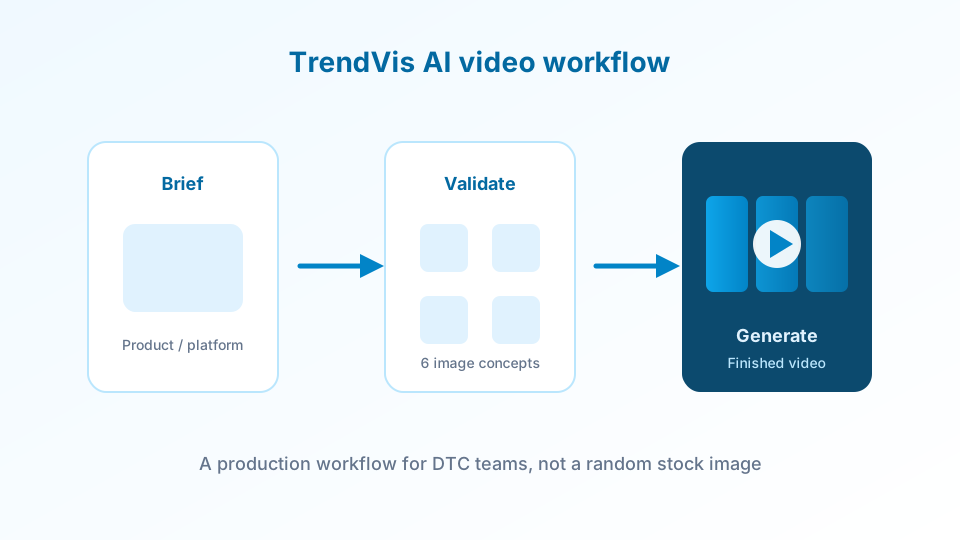
| TrendVis workflow | TrendVis uses product briefs and image validation to find ad angles before upgrading the best frame to video | DTC teams testing hooks, product scenes, landing-page visuals, and short video references from approved stills | It works best when you provide accurate product references and reject misleading outputs early. |
Use GPT Image models when the prompt includes specific product details, edits, and scene logic. The ability to refine output matters when product accuracy is the goal.
Use GPT Image when prompt following is central.
Use Midjourney when the goal is premium visual direction: lighting, editorial mood, seasonal concepts, and art direction boards before a paid shoot.
Use Midjourney for look development, then verify the product.
Use Ideogram when the product photo concept needs readable words on the package, sign, or poster. Text accuracy can be the difference between useful and unusable.
Use Ideogram when words appear inside the image.
Upload or describe the real packaging, label, material, scale, and angle. Do not let the tool guess important product facts.
A still image exposes label errors, warped edges, and wrong claims faster than a video render. Fix the still before paying for motion.
Check whether the product is recognizable, the offer is clear, the scene matches the customer, and the image can survive a small mobile placement.
Product photography affects trust. A person should review every packaging detail, claim, ingredient, logo, and usage scene before the image ships.
GPT Image is the best general pick for prompt following and edits. Midjourney is best for campaign mood, Ideogram for readable text, and Firefly for Adobe background work.
Sometimes for concept images, social tests, and background variations. For regulated products, hero PDP images, and exact packaging, a real reference photo is still safer.
DTC brands should test GPT Image or Firefly for accuracy, Midjourney for mood, Ideogram for text, and TrendVis when they need product frames that can become ads or videos.
Use accurate references, keep prompts simple, review labels and product shape, avoid impossible claims, and upscale only the best approved image.
TrendVis turns product briefs into creative angles, validates them as images, then upgrades only the best concept to video.
Start in the studio